
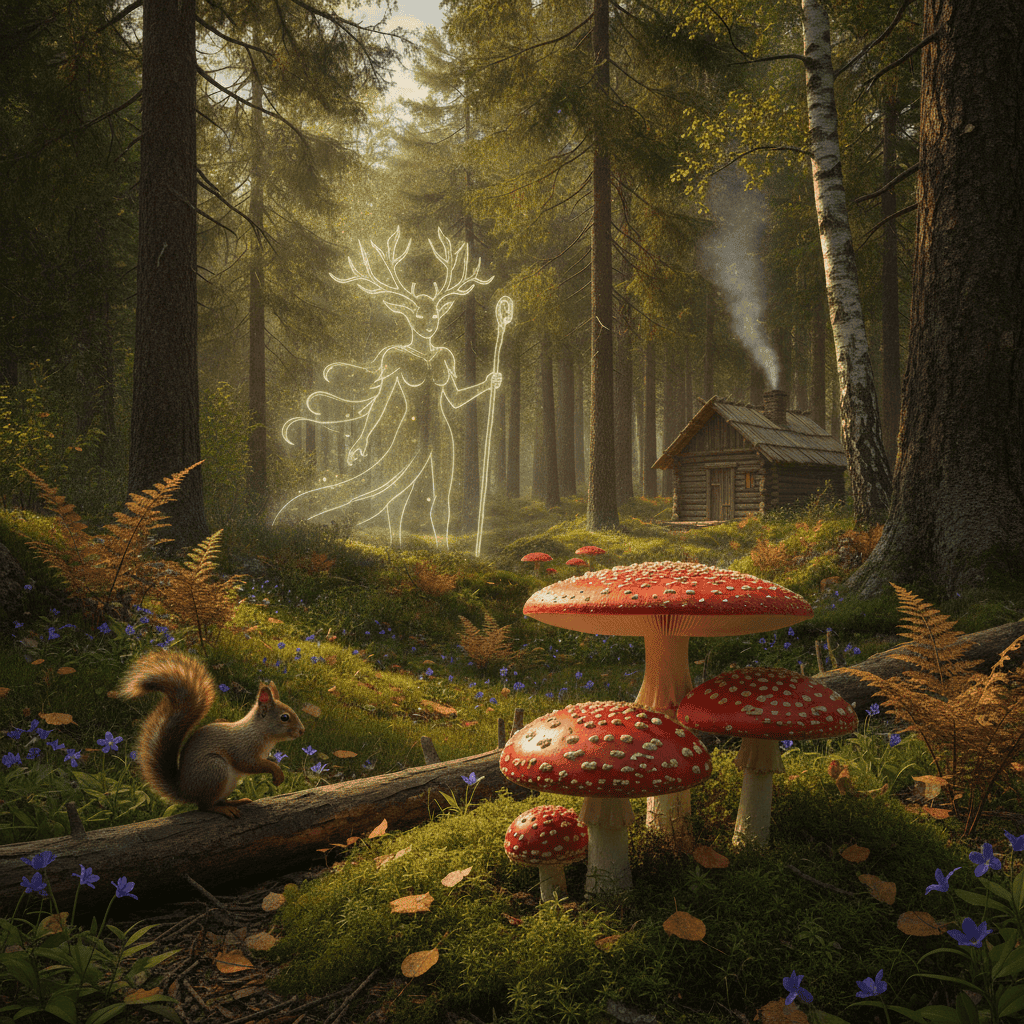
The natural world holds countless wonders but few organisms capture our imagination quite like the Fly Agaric mushroom. Its striking appearance, a vibrant red cap adorned with pristine white spots, makes it instantly recognizable. From ancient forests to modern pop culture, this mushroom holds a unique and enduring appeal.
I find its ubiquitous presence in folklore and art particularly fascinating. This mushroom is not just a fungus growing in the wild. It is a symbol, a cultural icon, and a subject of scientific curiosity. Its story intertwines with human history across many different societies.
This article explores the many reasons why the Fly Agaric mushroom continues to fascinate us. We will look at its visual impact, its historical significance, and the science behind its intriguing properties. I want to share some of the enduring mysteries and facts surrounding this beautiful organism.
The Iconic Appearance of the Fly Agaric Mushroom
The Fly Agaric, scientifically known as Amanita muscaria, boasts one of the most distinctive looks in the fungal kingdom. Its brilliant red or orange cap, often flecked with bright white or yellowish scales, instantly catches the eye. This classic image is what many people picture when they think of a mushroom, especially in fairy tales or illustrations.
This iconic appearance is not accidental. The vibrant colors and dotted pattern serve as a warning sign in nature, indicating its potent chemical composition. However, for humans, this striking visual has instead sparked curiosity and wonder. It stands out against the greens and browns of the forest floor.
I believe its visual charm is a major part of why the Fly Agaric mushroom continues to fascinate us. It is simply beautiful to look at. We see it everywhere from garden gnomes to holiday decorations. This widespread visual representation has cemented its place in our collective consciousness, even for those who have never seen one in person.
The way it emerges from the soil, sometimes singly and sometimes in clusters, adds to its mystical aura. Each mushroom presents a perfect little umbrella, often with a sturdy white stem and a bulbous base. The white spots are remnants of the universal veil that covered the young mushroom, further adding to its distinctive pattern.
A Deep Dive into Ancient Folklore and Mythology
Beyond its striking looks, the Fly Agaric mushroom possesses a rich history embedded in human culture and mythology. Ancient civilizations across the globe have woven this mushroom into their spiritual beliefs and practices. Its presence in various mythologies is a testament to its powerful influence on the human psyche. Many cultures found deep meaning in its strange effects.
From Siberian shamans to European pagan traditions, the Fly Agaric held a place of reverence and mystery. Shamans in particular used it in rituals to achieve altered states of consciousness. They believed these states allowed them to communicate with spirits or gain profound spiritual insights. This historical use highlights the mushroom’s status as more than just a plant.
The tales and legends surrounding this mushroom often speak of transformation and connection to other realms. It is easy to understand why early humans, encountering its potent effects, would attribute magical qualities to it. The vivid visions and feelings of euphoria or disorientation certainly suggest something otherworldly. For generations, people sought to unlock its secrets and you can get the insights into some of these ancient stories.
Myths Across Continents
Different cultures interpreted the mushroom’s power in unique ways. In some Norse myths, it was said to sprout where the foam from Odin’s horse hit the ground. Other traditions linked it to reindeer, which are known to consume the mushroom and exhibit unusual behaviors. These stories illustrate how deeply integrated the Fly Agaric was into people’s understanding of their world.
The mushroom’s distinct appearance and potent effects made it a natural subject for storytelling. Early human societies often looked to nature for explanations of the unknown. The Fly Agaric provided both mystery and a tangible experience of the extraordinary. This created a legacy of myths that still resonates today.
The Role of Winter Solstice
Some historians and ethnobotanists propose that the Fly Agaric played a role in early winter solstice celebrations, particularly those involving gift-giving. The mushroom often fruits around late autumn and early winter in northern climates. Its red and white colors are also reminiscent of festive themes. This idea adds another layer to why the Fly Agaric mushroom continues to fascinate us.
The connection, though debated, suggests a deeper root for some modern holiday traditions. Whether it is true or not, the mere suggestion of such ancient ties makes the mushroom even more captivating. It makes us rethink common symbols and their origins, linking them back to primal interactions with nature.
Understanding Fly Agaric’s Unique Chemistry
The fascination with the Fly Agaric is not just about its looks or its folklore. It extends deeply into its unique biochemical properties. This mushroom contains several psychoactive compounds, primarily ibotenic acid and muscimol. These compounds interact with the human brain in complex ways, causing a range of effects.
Ibotenic acid is a neurotoxin that can cause nausea and confusion. But it also decarboxylates into muscimol, which is the primary psychoactive agent. Muscimol acts as a potent GABA agonist, meaning it mimics a key neurotransmitter in the brain. This interaction leads to the altered states of consciousness associated with the mushroom.
Scientists have studied these compounds for their potential therapeutic applications and to better understand brain function. The careful balance between toxicity and psychoactivity makes it a subject of intense scientific interest. Researchers are always looking for ways to isolate and understand these natural chemicals.
From Toxic to Therapeutic Potential
While often labeled as toxic, the effects of Fly Agaric are generally not fatal to healthy adults in typical ingestion amounts. However, it can cause extreme discomfort and unpleasant side effects. Understanding this distinction is crucial when discussing its chemical makeup. The dose and individual sensitivity play significant roles in the experience.
Some preliminary research explores muscimol’s potential as a sleep aid or anxiolytic. This is because of its GABAergic properties. However, these applications are still in very early stages of research. It highlights the mushroom’s complex chemical profile and its potential, but also its dangers when used without strict control.
The Importance of Preparation
Traditional uses of Fly Agaric often involved specific preparation methods, such as drying or boiling, to reduce the ibotenic acid and convert it to muscimol. This knowledge, passed down through generations, reflects an intuitive understanding of its chemistry. It shows how people learned to work with potent natural substances.
This historical insight into preparation methods further emphasizes why the Fly Agaric mushroom continues to fascinate us. It is not merely a raw plant but a substance that requires knowledge and skill to utilize. This adds another layer of human interaction and cultural significance to its story.
Horticultural and Ecological Significance
Beyond its human interactions, the Fly Agaric mushroom plays a vital role in forest ecosystems. It is a mycorrhizal fungus. This means it forms a symbiotic relationship with the roots of certain trees, primarily conifers and birch. This partnership is mutually beneficial for both the mushroom and the tree.
The fungus extends its mycelial network through the soil, increasing the tree’s access to water and nutrients. In return, the tree provides the fungus with sugars produced through photosynthesis. This underground relationship is fundamental to the health of many forests. It is a quiet but powerful force in nature.
I find this ecological role incredibly compelling. It reminds us that every organism, even a seemingly strange mushroom, contributes to the intricate web of life. The vibrant red caps are just the visible part of a much larger, unseen process happening beneath our feet. This makes its study important for understanding forest health.
Cultivation Challenges
Unlike many other edible mushrooms, the Fly Agaric is notoriously difficult to cultivate outside of its natural habitat. This is because of its obligate mycorrhizal relationship with trees. It cannot grow without its specific tree partners. This challenge contributes to its wild and untamed image.
Attempts at cultivation usually fail because recreating the complex forest environment is incredibly hard. This difficulty in domestication keeps it firmly rooted in the wild. It remains a true product of its natural environment, adding to its mystique and allure for many foragers and naturalists.
Indicator of Forest Health
The presence of Fly Agaric can sometimes be an indicator of a healthy forest ecosystem. Its specific requirements for host trees and soil conditions mean it thrives in certain natural settings. Observing these mushrooms can give us clues about the vitality and biodiversity of a forest area. This makes it a fascinating subject for ecological studies.
So, when you spot a Fly Agaric in the woods, you are not just seeing a pretty mushroom. You are observing a key player in a complex underground network. You are seeing a silent partner in the life of the trees around it. This deep ecological connection is another reason why the Fly Agaric mushroom continues to fascinate us.
Artistic Inspiration and Cultural Symbolism
The visual impact of the Fly Agaric is so strong that it has transcended its biological reality to become a powerful cultural symbol. It appears regularly in art, literature, and popular media around the world. I often see it used as a shorthand for all things magical, whimsical, or related to the natural world.
Children’s books and animated films frequently depict friendly gnomes or fairies living under charming red and white mushrooms. Think of illustrations in fairy tales or classic fantasy stories. Its imagery evokes a sense of wonder and enchantment. This widespread use has solidified its place in our visual language as an emblem of fantasy.
Beyond innocence, it also symbolizes something wild and untamed. Its striking colors and known psychoactive properties give it an edge. Artists use its image to hint at hidden depths or mysterious forces in nature. This duality, both whimsical and powerful, makes it a rich source of inspiration.
Universal Mushroom Icon
The Fly Agaric has become almost a universal icon for mushrooms in general. When someone draws a generic mushroom, it often features a red cap and white spots. This simple visual cue is immediately understood across cultures and age groups. It shows the power of its distinct appearance.
This widespread visual recognition means that even people unfamiliar with mycology instantly know what a Fly Agaric is. They might not know its name or properties but they recognize its shape. This enduring visual legacy ensures its continued fascination. It captures attention wherever it appears.
From Gardens to Gaming
You can find Fly Agaric imagery in diverse places. It decorates garden ornaments, appears in video games as power-ups, and serves as inspiration for fashion designs. Its adaptability as a symbol is quite remarkable. It is a design element that carries immediate recognition and a hint of magic.
This consistent reinterpretation in modern contexts proves its timeless appeal. The mushroom is not just a relic of ancient folklore. It is a living, evolving symbol that continues to capture new audiences. This constant presence in our visual landscape ensures the Fly Agaric mushroom continues to fascinate us.
Modern Perspectives on Fly Agaric
Even in our scientific and technologically advanced world, the Fly Agaric retains its allure. Modern research delves deeper into its chemical properties and potential applications. We are finding new ways to appreciate its place in ecosystems and its historical significance. The fascination has not dwindled with understanding.
Ethnobotanists and historians continue to research its roles in ancient cultures. They look for connections to early spiritual practices and the evolution of human consciousness. These studies help us piece together a more complete picture of human history. The mushroom acts as a key to understanding past societies.
For mushroom enthusiasts and nature lovers, spotting a Fly Agaric in the wild is still a special moment. Its beauty and historical weight make it a prized find. It is a reminder of nature’s artistry and its enduring mysteries. The thrill of encountering such a legendary organism in its natural habitat is undeniable.
I think this blend of scientific inquiry, historical curiosity, and natural appreciation is why the Fly Agaric mushroom continues to fascinate us. It appeals to many different aspects of human curiosity. It truly bridges the gap between science and folklore, between the observable and the mysterious.
Conclusion: The Enduring Appeal of Amanita Muscaria
The Fly Agaric mushroom, or Amanita muscaria, holds a special place in the hearts and minds of many. Its bright red cap and white spots create an iconic image that transcends cultures and centuries. I believe its visual charm alone ensures its lasting impression. But the story of this mushroom goes much deeper than just aesthetics.
We have explored its profound connection to ancient folklore and mythology. It served as a sacred tool for shamans and inspired countless legends. Its complex chemistry, particularly the presence of muscimol, continues to intrigue scientists seeking to understand its effects and potential uses. The mushroom’s vital role in forest ecosystems as a mycorrhizal partner further highlights its importance in the natural world. It is a silent helper to many trees.
Moreover, the Fly Agaric’s pervasive presence in art, literature, and popular culture solidifies its status as a timeless symbol. It represents everything from whimsical fantasy to the potent mysteries of nature. From garden decorations to scientific papers, its influence is undeniable and ever-present. This multifaceted appeal ensures that the Fly Agaric mushroom continues to fascinate us, drawing in new generations with its striking appearance and rich history. I encourage you to look closer at the natural world around you. You might discover other hidden wonders that captivate your imagination just as much.